
Introduction
Starting a Zero-Waste Journey doesn’t mean changing your entire life overnight. It’s about making small, intentional choices that reduce your environmental footprint while embracing a Green Glow Up. In this guide, we’ll explore five simple and impactful ways to begin your eco-friendly transition without feeling overwhelmed. Let’s transform our habits for a greener planet!
1. Carry a Reusable Bag Everywhere
Plastic bags are one of the biggest polluters of our environment. Every year, trillions of plastic bags are used, often for mere minutes, before taking centuries to decompose. Making this shift is the first pillar of any Zero-Waste Journey.
“According to experts at the World Wildlife Fund, plastic pollution remains one of the greatest threats to our oceans today.”
Why Make the Switch?
- Environmental Impact: Reduces plastic pollution in oceans and landfills.
- Durability: Reusable bags are stronger and can carry more weight.
- Cost-Effective: Saves you money on plastic bag fees.
Keep a foldable cloth bag in your car, backpack, or purse. Make it a habit to always have one ready for any spontaneous shopping trip.
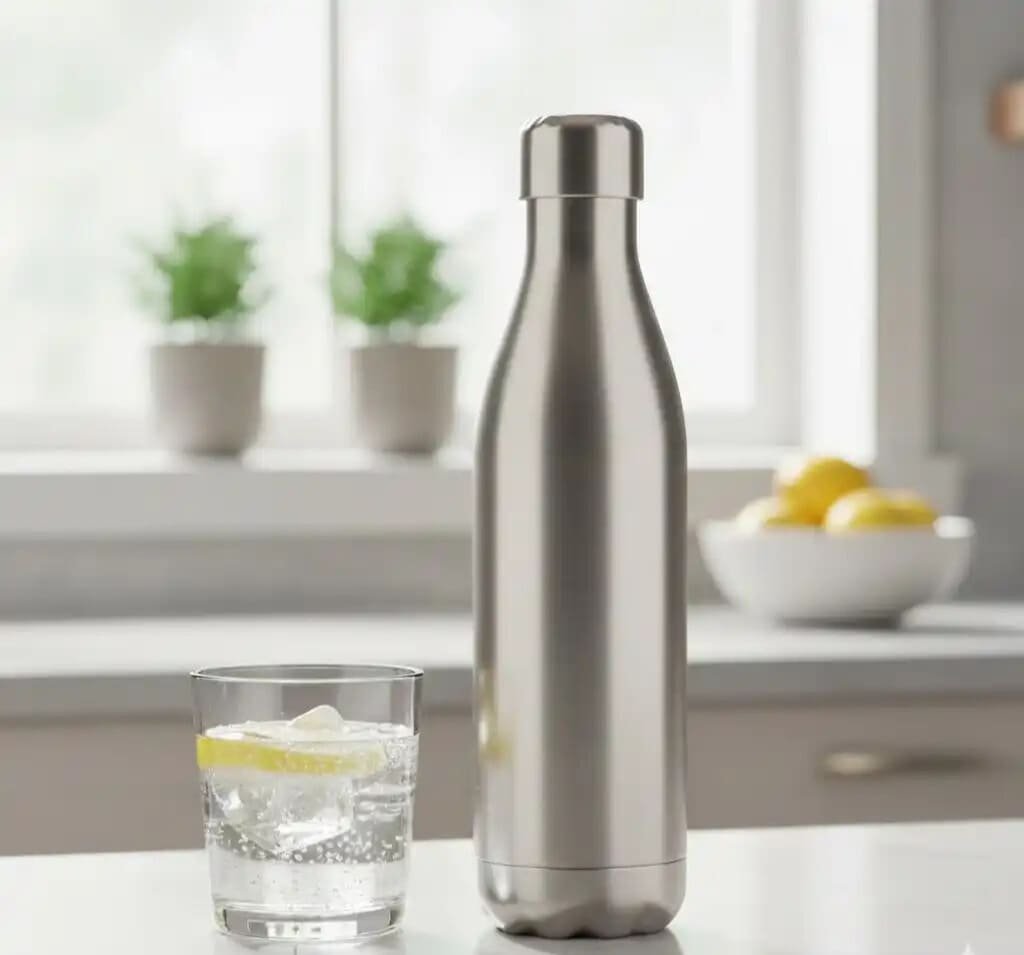
2. Invest in a Quality Reusable Water Bottle
Say goodbye to single-use plastic bottles forever. The environmental toll of bottled water is immense, from the energy used in production to the pollution caused by disposal.
Benefits of Reusable Bottles:
- Healthier: Avoids chemicals that can leach from plastic into your water.
- Convenient: Keeps your drinks cold or hot for longer.
- Eco-Friendly: Significantly reduces plastic waste.
3. Swap Your Toothbrush for Bamboo
Did you know that every plastic toothbrush ever made still exists somewhere on Earth? Making a simple switch to a bamboo toothbrush is an easy and effective way to reduce your personal plastic waste. Bamboo is a fast-growing, sustainable plant that is fully biodegradable.
Plastic vs. Bamboo Toothbrushes:
| Feature | Plastic Toothbrush | Bamboo Toothbrush |
| Material | Non-biodegradable plastic | Biodegradable bamboo wood |
| Environmental | Contributes to landfills/oceans | Eco-friendly, sustainable |
| Longevity | Similar | Similar |
| Feel | Standard | Natural, comfortable grip |
4. Shop in Bulk to Reduce Packaging
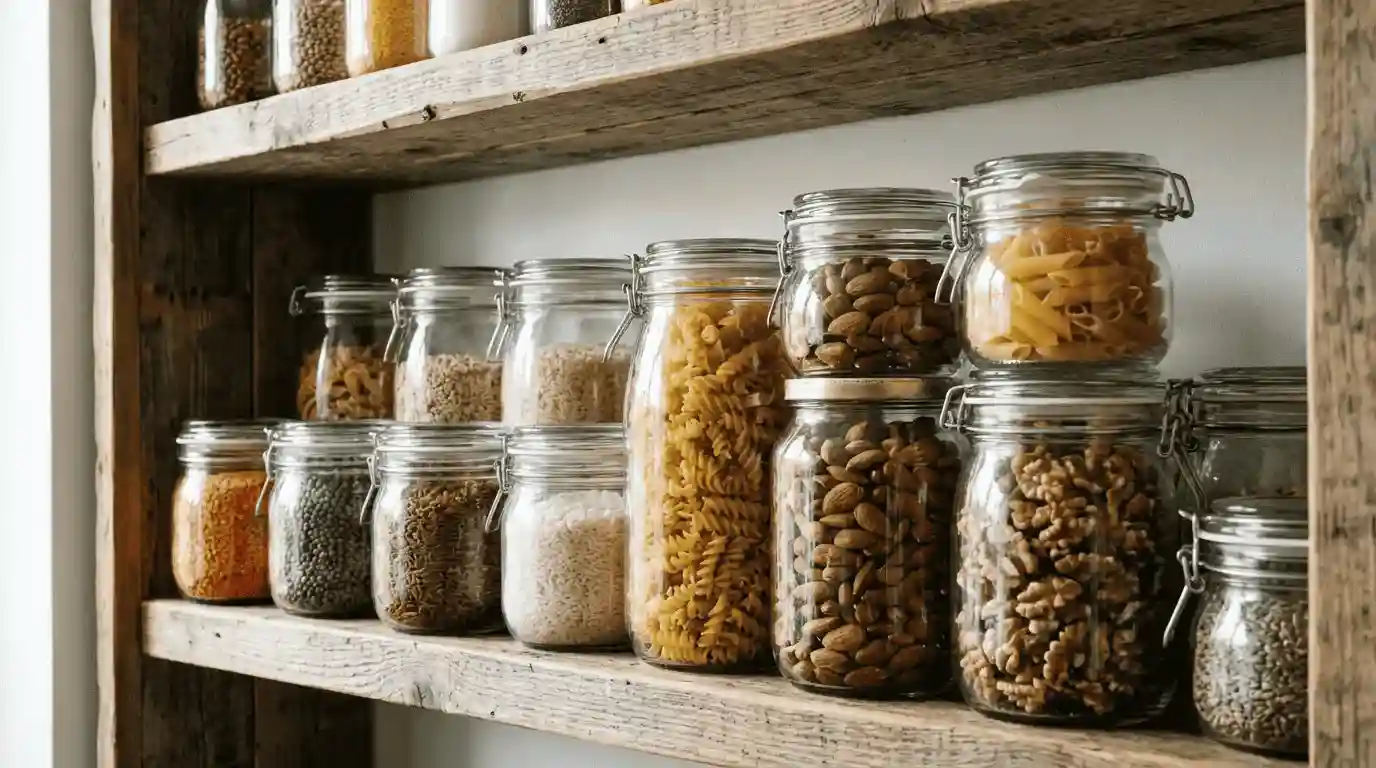
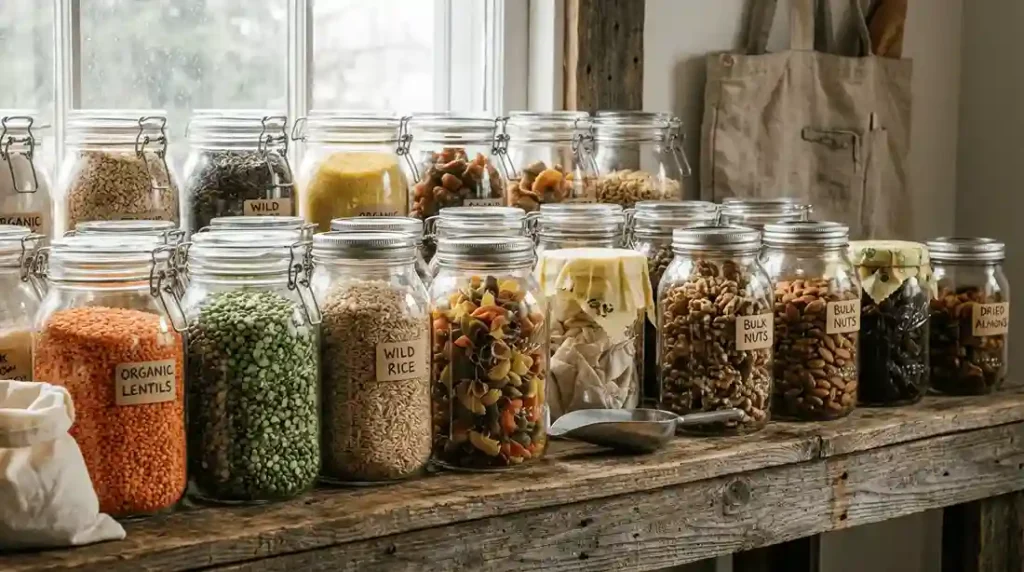
Packaging accounts for a huge portion of household waste. By buying your groceries, grains, nuts, and even cleaning supplies from bulk sections, you can use your own reusable containers and significantly cut down on plastic and cardboard waste.
How to Shop Smart in Bulk:
- Bring your own clean glass jars or cloth bags.
- Weigh your empty containers first (tare weight).
- Buy only what you need to avoid food waste.
5. Audit Your Trash – A Simple Rule
Before you throw anything away, pause and ask yourself: “Can this be composted, recycled, or reused?” This simple practice makes you more mindful of your consumption habits and helps you identify areas where you can make changes.
A Quick Guide to Trash Audit:
- Compost: Food scraps, coffee grounds, garden waste.
- Recycle: Clean paper, cardboard, glass, most plastics (check local guidelines).
- Reuse: Jars, containers, old clothes for rags.
- Reduce: The ultimate goal – buy less, need less.
“Beyond Reducing Waste“
While reducing waste is a huge step, true sustainability also involves the energy we use at home. Learn how to cut down your carbon footprint even further in our guide to Smart Energy and Technology for a Greener Home
“Remember, your Zero-Waste Journey is unique to you. Don’t feel pressured to be perfect from day one. Every plastic bottle you don’t buy and every reusable bag you carry makes a tangible difference for our oceans and wildlife.”
Conclusion
Embarking on a Zero-Waste Journey is a powerful way to make a positive impact on our planet. Remember, sustainability is a marathon, not a sprint. Focus on one step at a time, and soon these eco-friendly habits will become second nature. Are you ready to take your first step today and join the Leaf Loop community?