
In an era where environmental consciousness is no longer optional, Sustainable Gardening has emerged as the most rewarding way to reconnect with the Earth. By practicing Sustainable Gardening, you conserve water and support pollinators. In this guide, we will explore why Sustainable Gardening is the future of home care and provide actionable Sustainable Gardening tips.” Whether you have a sprawling backyard or a tiny urban balcony, your garden can be more than just a visual delight, it can be a thriving ecosystem that conserves water, supports pollinators, and builds soil health.
In this comprehensive guide, we will explore the core principles of sustainable garden design and provide actionable tips to help you transition into a self sustaining garden that flourishes naturally. By the end of this article, you will have a clear roadmap to creating a lush, green sanctuary that aligns with the highest standards of gardening and sustainability.
The Philosophy of Gardening and Sustainability
The modern approach to a sustainability garden moves away from chemical-heavy maintenance and towards “biomimicry” imitating the natural processes of a forest or meadow. A sustainable garden is not just about planting flowers, it is about creating a circular system where waste becomes a resource. This shift not only benefits the planet but also saves you time and money in the long run.
1. Master Your Sustainable Garden Design
Every Sustainable Gardening project begins with a strategic layout. Sustainable Gardening prioritizes functionality, allowing you to optimize your Sustainable Gardening efficiency. Every thriving ecosystem begins with a strategic layout. A sustainable garden design prioritizes functionality over aesthetics alone.
- Zone Planning: Group plants with similar water and light needs together (hydro-zoning).
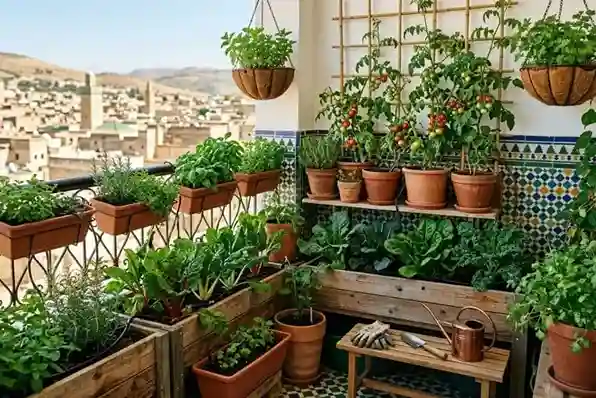
- Vertical Gardening: If you are in an urban setting, use trellises and wall-mounted planters to maximize your “green footprint” without needing more land.
- Pathway Materials: Use permeable materials like gravel or wood chips to allow rainwater to soak back into the ground rather than running off into drains.
2. The Power of Native Plants
The cornerstone of sustainable gardening is choosing plants that belong in your specific climate. Native plants have spent thousands of years adapting to local soil and rainfall patterns.
- Low Maintenance: Once established, they rarely need supplemental watering.
- Pest Resistance: They have natural defenses against local insects, eliminating the need for toxic pesticides.
- Wildlife Support: They are the primary food source for local bees, butterflies, and birds.
Comparison: Sustainable vs. Conventional Gardening Systems
| Feature | Sustainable Gardening (LeafLoop Way) | Conventional Gardening |
|---|---|---|
| Fertility | Organic Compost & Mulch | Synthetic NPK Fertilizers |
| Watering | Rainwater Harvesting & Drip Kits | High-Pressure Sprinklers |
| Plant Focus | Native & Perennial Species | Exotic & Annual Species |
| Soil Health | No-Dig / Minimal Tilling | Frequent Tilling & Chemical Inputs |
| Biodiversity | High (Supports Pollinators) | Low (Monoculture Lawns) |
3. Building a Self Sustaining Garden via Composting
Soil is a living organism, not just “dirt.” To maintain organic soil health, you must feed the microbes. As we highlighted in our Best Compost Bins 2026 guide, composting transforms kitchen waste into “black gold.”
- Nutrient Cycling: Compost provides a slow-release source of nutrients that synthetic fertilizers cannot match.
- Moisture Retention: Organic-rich soil acts like a sponge, significantly reducing the frequency of watering.
4. Advanced Water Conservation Techniques
Water is our most precious resource. In the garden, the goal is to “Slow it, Spread it, and Sink it.”
- Rain Barrels: Capturing runoff from your roof is a staple of gardening and sustainability.
- Mulching: Applying a 2-3 inch layer of organic mulch (like straw or wood chips) can reduce soil evaporation by up to 70%. This pairs perfectly with the tips found in our How to Conserve Water guide.
To deepen your knowledge of Sustainable Gardening, it is essential to study global standards. You can visit the Permaculture Association for advanced *Sustainable Gardening frameworks and global Sustainable Gardening community projects.
5. Professional Review: The “LeafLoop Approved” Vertical Garden Kit
For urban gardeners looking for a sustainable garden design in small spaces.
Product Review: The Terra-Eco Modular Vertical Planter
- Description: A modular, self-watering tower made from 100% recycled ocean plastics, designed for high-density organic gardening on balconies.
- Pros:
- Saves up to 90% more space than traditional pots.
- Integrated wicking system prevents water waste.
- Extremely durable and UV-resistant.
- Cons:
- Initial setup requires careful assembly.
- Higher price point than standard plastic pots.
- Target Audience: Urban dwellers and beginners wanting a self sustaining garden in a limited area.
- User Quote: “I grew enough kale and herbs for the whole month on my tiny balcony. It’s efficient, clean, and truly eco-friendly.” – Julia R.
6. Soil Health: The “No-Dig” Revolution
Stop tilling! Every time you turn the soil, you destroy the delicate fungal networks (Mycorrhizae) that help plants absorb nutrients. A sustainable gardening approach uses the “No-Dig” method:
Soil is the heart of Sustainable Gardening. This Sustainable Gardening method protects the delicate microbes essential for Sustainable Gardening success.
- Lay down cardboard to suppress weeds.
- Add a thick layer of compost on top.
- Plant directly into the compost.
This method aligns with our mission to build a Sustainable Home that works with nature’s existing cycles.
7. Natural Pest Control & Biodiversity
In a sustainability garden, there are no “pests,” only an unbalanced ecosystem.
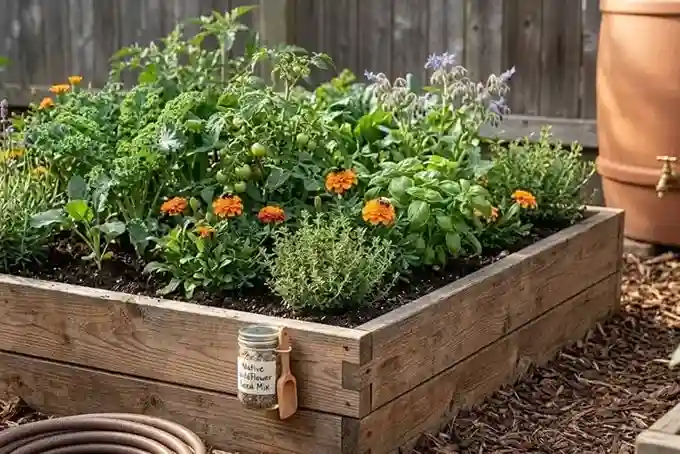
- Companion Planting: Plant marigolds to repel nematodes or lavender to distract aphids.
- Bug Hotels: Create spaces for ladybugs and lacewings—the “natural soldiers” of your garden. This ensures a safe environment for your pets, similar to the standards we set in our Eco-Friendly Pet Products reviews.
Conclusion: A Garden That Grows With You
Transforming your outdoor space through sustainable gardening is a journey of patience and observation. As Tom famously said, the right thing to do and the hard thing to do are often the same—but in the garden, the rewards are tangible. A sustainable garden design provides fresh food, clean air, and a sense of peace that no synthetic lawn can offer. Start by planting one native shrub or starting a small compost bin today, and watch as your self sustaining garden becomes a beacon for a greener future. As you continue your Sustainable Gardening journey, remember that Sustainable Gardening is a long-term commitment to the Earth.