

Sustainable Banking is the cornerstone of a truly green economy in 2026. While recycling and reducing plastic use are vital, the most significant impact an individual can have often lies within their bank account. Discover how to align your finances with your environmental values through modern sustainable banking strategies. Where you choose to store and invest your money dictates which global projects receive funding, be it a coal mine or a massive solar farm. This comprehensive guide explores the top 5 ways you can transition to sustainable banking, ensuring your financial growth supports a healthier planet.
The Importance of Sustainable Banking in 202
Sustainable Banking is not merely a trend, it is an academic and economic necessity. Recent studies by the UN Environment Program Finance Initiative have demonstrated its efficacy in mitigating systemic financial risks. When you select a bank committed to Environmental, Social, and Governance (ESG) criteria, you are directly contributing to a global economic shift. Traditional banking institutions often use deposits to fund fossil fuel expansion, exacerbating the greenhouse effect. In contrast, sustainable banking pledges to direct this liquidity toward sustainable infrastructure and Smart Energy Solutions.
Furthermore, choosing banking and sustainability provides long-term protection for your wealth by:
- Divesting from fossil fuels and polluting industries.
- Supporting innovation in renewable energy and carbon capture.
- Enhancing financial transparency through climate disclosure reports.
- Protecting your savings from the “carbon bubble” volatility.
5 Best Strategies for Sustainable Banking
1. Switch to Fully “Green” Digital Neobanks
Digital-first banks focusing on sustainable banking are the top choice. These institutions lack physical branches, significantly reducing energy consumption. They rely on cloud infrastructure powered by 100% renewable energy and hold certifications like “B Corp,” ensuring they meet the highest ethical finance options standards.
2. Utilize Biodegradable Debit and Credit Cards
Sustainable banking now offers cards made from Polylactic Acid (PLA) or sustainable wood fibers. This step reduces the demand for virgin plastic and aligns with a Plastic Free Zero Waste Lifestyle. Some banks even offer “virtual-only” cards to eliminate physical waste entirely.
3. Invest in ESG-Focused Exchange-Traded Funds (ETFs)
Instead of random investments, direct your savings toward green investment strategies. In 2026, ESG funds allow you to invest specifically in the “Blue Economy” or companies developing Portable Solar Chargers. This sends a powerful signal that capital is flowing toward companies that respect the planet.
4. Enable “Carbon Footprint Tracking” in Your Banking App
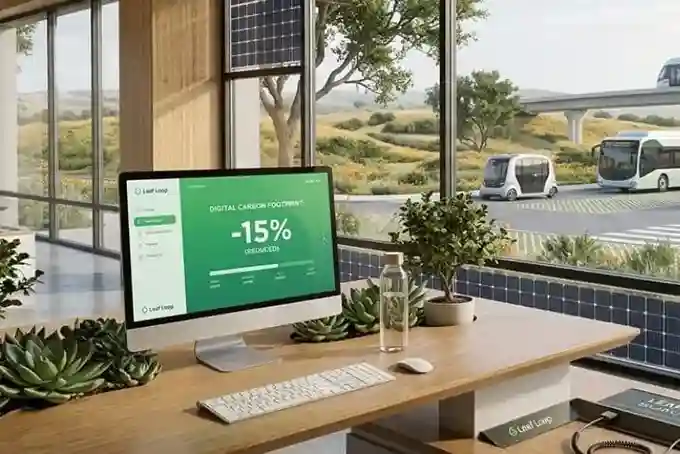
In 2026, leading sustainable banking apps provide tools that calculate the carbon emissions for every purchase. This feature helps you understand your lifestyle patterns and Reduce Your Digital Carbon Footprint by making more conscious consumption choices.
5. Leverage Green Loans for Energy Efficiency Improvements
Green banks offer “Green Loans” with preferential interest rates to fund solar panel installations or electric vehicles. This promotes urban travel efficiency and helps you Build a Sustainable Home while lowering your operational costs.
Comparison: Traditional vs. Sustainable Banks (2026)
| Criteria | Traditional Banks | Sustainable Banks |
|---|---|---|
| Investment Focus | Diversified (includes fossil fuels) | Green & Social projects only |
| Transparency | Limited investment reporting | Detailed Annual Impact Reports |
| Card Materials | Standard PVC Plastic | Recycled or Wood-based |
| Operational Footprint | High (due to physical branches) | Carbon Neutral or Negative |
Structural Review: The Ideal Sustainable Bank Model
Description: A digital financial institution that adopts sustainability across all operations, offering eco-friendly savings accounts.
- Pros: Very low administrative fees; advanced UI for impact tracking.
- Cons: No physical branches for cash deposits.
- Target Audience: Environmentally conscious youth and ethical investors.
“Since switching to sustainable banking, I feel that every dollar I spend contributes to building a better future. Tracking my carbon footprint has made me much wiser with my purchases. Sarah Wagner, Conscious User
Conclusion:
Choosing to adopt sustainable banking is the most powerful vote you can cast for the planet. In 2026, finance is no longer just about numbers; it has become a tool for positive global change. Start today by reviewing your ethical finance options and join millions who have decided that their money should be part of the solution.