

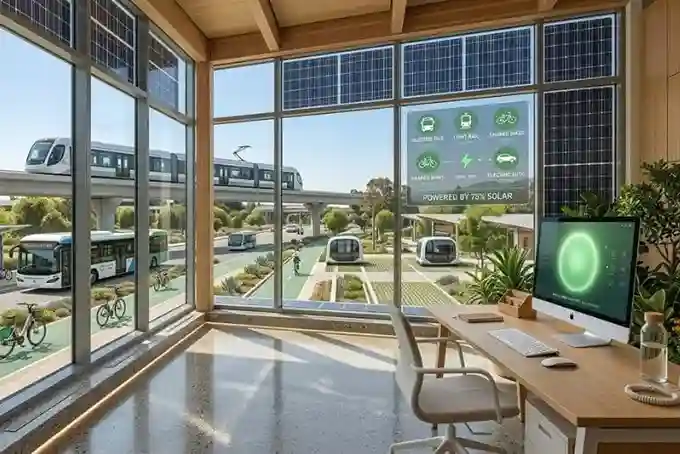
Introduction: Navigating the Future of Travel
Sustainable transportation is no longer a futuristic concept; it is a practical necessity for 2026. As urban centers become more congested and fuel prices fluctuate, the way we choose to move from point A to point B has a profound impact on both our wallets and the environment. Transitioning to eco-friendly transport is about more than just reducing emissions—it’s about reclaiming time, improving health, and adopting sustainable transport solutions that work for your lifestyle. In this comprehensive guide, we will explore the most efficient ways to navigate your world responsibly while maintaining peak efficiency.
1. The Revolution of Electric Micro-Mobility
One of the most exciting sustainable transportation developments is the rise of e-bikes and electric scooters. For short-to-medium distances, these devices offer an unparalleled level of *urban travel efficiency. They eliminate the stress of parking and the high costs of fuel, making them a top-tier *green mobility option.
- Speed: Reach destinations faster by avoiding car traffic.
- Cost: Pennies to charge compared to dollars for fuel.
- Health: Offers low-impact cardiovascular exercise.
Research shared by the World Resources Institute (WRI) highlights that micro-mobility solutions like e-bikes can replace up to 50% of short-distance car trips in urban areas.
2. Maximizing Mass Transit Efficiency
Public transit remains the backbone of any sustainable transportation system. In 2026, modern trams and electric buses have transformed the daily commute. By choosing high-capacity eco-friendly transit, you are contributing to a massive reduction in urban noise and air pollution. This is a core part of building a Sustainable Home environment by extending green habits beyond your walls.
According to the United Nations Environment Programme (UNEP), shifting to public and non-motorized transport is essential for decoupling economic growth from environmental degradation.
3. Smart Carpooling and Shared Mobility
If a private vehicle is necessary, carpooling is the most effective way to optimize its use. Sharing a ride significantly lowers the carbon footprint per passenger. Modern apps now make low-carbon commuting easier by connecting neighbors with similar schedules, which perfectly complements other community efforts like Eco-friendly Gifts sharing.
Sustainable Transportation Data Comparison
| Mode of Transport | Carbon Impact (per KM) | Average Speed (City) | Monthly Cost (Est.) |
|---|---|---|---|
| Private Petrol Car | ~180g $CO_2$ | 25 km/h | $450 – $600 |
| Electric Vehicle (EV) | ~50g $CO_2$ | 25 km/h | $150 – $200 |
| Electric Bicycle | ~5g $CO_2$ | 20 km/h | $10 – $20 |
| Walking / Cycling | 0g $CO_2$ | 5-15 km/h | $0 |
4. Pedestrian-First Urban Living
The most effective sustainable transport solution is the one that requires no engine at all. Walking is the gold standard of green mobility. Cities that prioritize pedestrian-friendly zones encourage a slower, more mindful way of life, which aligns with the Zero-Waste Journey philosophy of consuming fewer resources.
5. Transitioning to Personal Electric Vehicles (EVs)
For long-distance travel, EVs are the primary sustainable transportation choice. As battery technology improves in 2026, range anxiety is a thing of the past. When combined with Smart Energy Solutions, you can power your commute using solar energy harvested directly from your home.
Global statistics from the International Energy Agency (IEA) confirm that the rapid adoption of electric vehicles is the primary driver in reducing global transport emissions.
6. Green Logistics: The Rise of Cargo Bikes
Sustainability isn’t just about how we travel, but how our goods reach us. Cargo bikes are now a major part of sustainable transport solutions for local deliveries. They reduce the number of heavy vans on the road, making streets safer and quieter for everyone.
7. Telecommuting: The “No-Travel” Alternative
The greenest trip is the one you never take. Remote work remains a powerful tool for sustainable transportation. By reducing the frequency of the daily commute, we directly lower the demand for energy-intensive eco-friendly transit and infrastructure.
Professional Review: Specialized Electric Commuter Bike (Model 2026)
- Description: A high-performance electric bicycle designed for urban professionals seeking sustainable transportation.
- Features: Carbon-fiber frame, 100km range battery, integrated GPS, and regenerative braking.
- Pros: Incredible hill-climbing power, zero emissions, and minimal maintenance.
- Cons: Higher initial investment compared to traditional bikes.
- Target Audience: Urban commuters traveling 5-20km daily.
- User Quote: “Switching to an e-bike was the best sustainable transport solution I ever made. I save $200 a month on parking alone!” — Ahmed, Fes.
Frequently Asked Questions (FAQ)
- What is the most cost-effective sustainable transportation?
- Walking and traditional cycling are the cheapest, but e-bikes offer the best balance of cost and speed for most people.
- How do sustainable transport solutions help the economy?
- They reduce healthcare costs related to air pollution and save individuals thousands of dollars in fuel and vehicle maintenance.
Conclusion: Driving Change Forward
Every choice we make behind the wheel or on the pedals shapes the world of tomorrow. By adopting sustainable transportation habits today, you are joining a global movement toward cleaner air and more livable cities. At Leaf Loop, we encourage you to start small—perhaps one car-free day a week—and experience the freedom of sustainable transport solutions.