
Introduction: Why Your Closet Matters
Welcome to our Sustainable Fashion Guide, in our previous explorations at Leaf Loop, we’ve tackled everything from Zero Waste Kitchens to Energy-Saving Tech. But there is one area that follows us everywhere we go: our clothing. The fashion industry is responsible for nearly 10% of global carbon emissions and 20% of global wastewater. Transitioning to a sustainable wardrobe isn’t just a trend; it’s a vital part of your Green Glow Up. This guide will provide you with a comprehensive roadmap to transforming your relationship with fashion, moving from mindless consumption to intentional style.
1. The Hidden Environmental Cost of Fast Fashion
Before we can build a better wardrobe, we must understand the “Invisible Waste” hidden in our current one.
- Water Depletion: It takes roughly 2,700 liters of water to produce a single conventional cotton t-shirt—enough for one person to drink for 2.5 years.
- Microplastic Crisis: Synthetic fabrics like polyester and nylon release thousands of microfibers during every wash, contributing to the plastic crisis we discussed in our Zero Waste Journey.
- Chemical Runoff: The toxic dyes used in mass production pollute rivers and harm the ecosystems, much like the harsh chemicals we avoid in Sustainable Personal Care.
2. Material Matters: The Fabric Comparison Guide
Choosing the right fabric is the foundation of sustainability. Use this table to make informed decisions during your next shop:
Refer back to this Sustainable Fashion Guide whenever you go shopping
| Fabric Type | Sustainability Score | Pros | Cons |
|---|---|---|---|
| Organic Cotton | High | Pesticide-free, uses 91% less water. | Can be more expensive. |
| Hemp | Excellent | Carbon-negative, requires no pesticides, very durable. | Limited availability in mainstream shops. |
| Linen | Excellent | Fully biodegradable, moth-resistant, very breathable. | Wrinkles easily. |
| Tencel (Lyocell) | High | Made from wood pulp in a closed-loop system. | Requires specific care to avoid shrinking. |
| Recycled Polyester | Moderate | Diverts plastic from landfills; uses less energy. | Still sheds microplastics during washing. |
| Conventional Cotton | Low | Cheap and accessible. | Heavy pesticide and water usage. |
3. The 5 Pillars of a Sustainable Wardrobe Audit
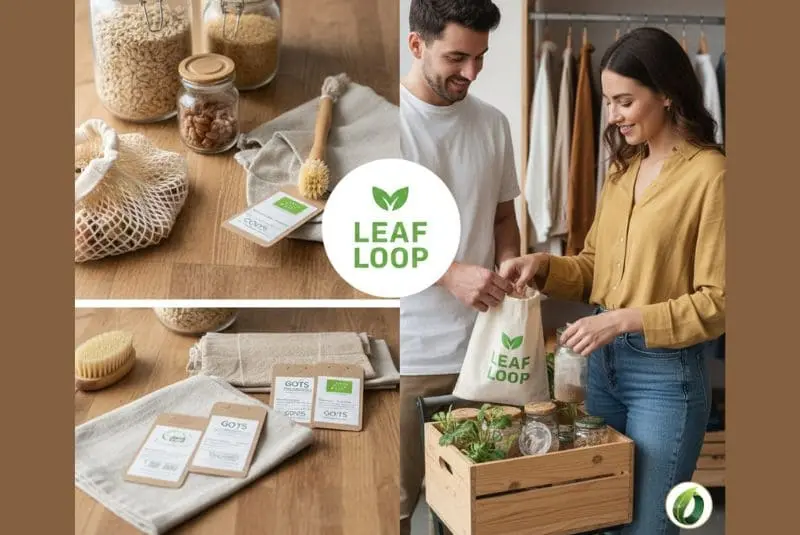
Just as you conduct a “Trash Audit”, you must audit your closet:
- The Inventory Check: Empty your closet. Group items by “Love & Wear,” “Need Repair,” and “Donate/Recycle.”
- The 30-Wear Rule: Before any purchase, ask: “Will I wear this at least 30 times?” If the answer is no, it’s not for you, This rule is a core part of any Sustainable Fashion Guide.
- Invest in Quality: Like Sustainable Kitchen Essentials, high-quality fabrics last longer and save money over time.
- Prioritize Second-Hand: Thrifting is the ultimate way to embrace a circular economy and reduce waste.
- Ethical Certifications: Look for GOTS (Global Organic Textile Standard) or Fair Trade labels to ensure workers were treated fairly.
4. Maintenance: Extending the Life of Your Garments
Sustainability doesn’t stop at the checkout. How you care for your clothes determines their environmental footprint.
- Wash Less, Wash Cold: Modern detergents work perfectly in cold water, saving energy and preserving fabric fibers. Proper care, as outlined in our Sustainable Fashion Guide, saves both money and the planet.
- The Art of Mending: Don’t discard a shirt because of a missing button. Learning basic mending skills is a revolutionary act in a disposable world.
- Mindful Storage: Store clothes in cool, dry places using cedar blocks instead of chemical mothballs to maintain your Clean Beauty home standards.
Taking care of your clothes is an act of respect for the hands that made them and the earth that provided the resources. Beyond washing and mending, consider air-drying your garments whenever possible. This simple step further reduces your carbon footprint and prevents the fabric damage often caused by high-heat dryers.
Conclusion: Style with Substance
Sustainable fashion is about reclaiming your power as a consumer. By choosing better materials and caring for what we own, we tell the industry that we value the planet over fast-paced trends. At Leaf Loop, we are here to support every step of your journey toward a more conscious and stylish life.
Thank you for following our Sustainable Fashion Guide to help the planet.