

TIntroduction: The Bright Future of Home Lighting
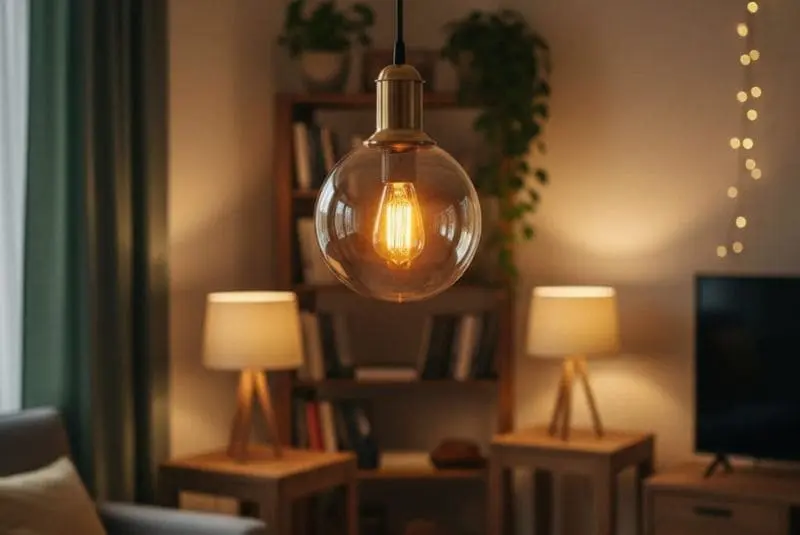
If you are looking for the most efficient way to illuminate your home, choosing energy saving LED light bulbs is the single most effective upgrade you can make. While the classic amber glow of traditional bulbs was once the standard, it was notoriously inefficient, wasting 90% of energy as heat. In 2026, the evolution of energy saving LED light bulbs allows you to enjoy that same vintage aesthetic while drastically cutting your power consumption. At Leaf Loop, we believe that transitioning to a sustainable home doesn’t mean sacrificing ambiance.
1. How Do Modern Energy Saving LED Light Bulbs Work?
Unlike old incandescent versions that rely on a burning filament, energy saving LED light bulbs use semiconductors to convert electricity into light. This technology is incredibly efficient, producing very little heat and using 80% to 90% less energy than halogen or traditional bulbs. According to the Energy Star Official Guide, switching your home’s most frequently used lights to high-quality LED models can save you significant amounts on annual utility costs.
2. Choosing the Right Color Temperature for Every Room
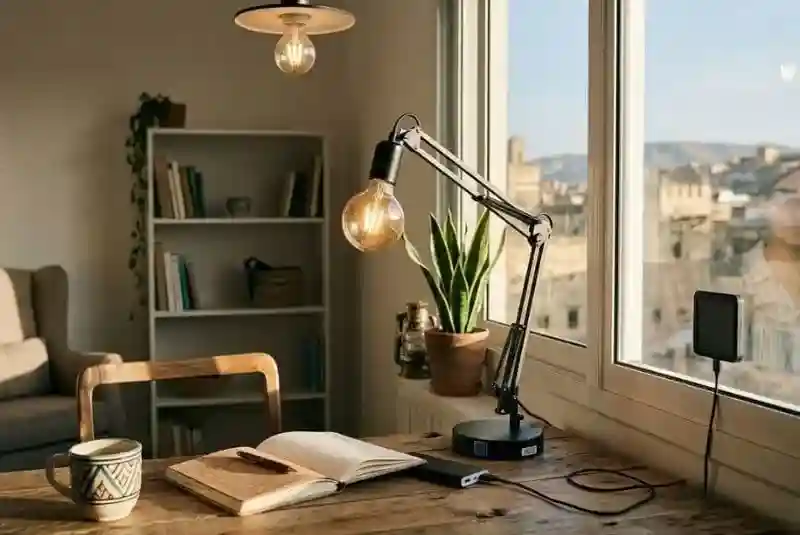
One of the best features of energy saving LED light bulbs is the variety of color temperatures measured in Kelvins (K):
- Warm White (2700K – 3000K): Perfect for a cozy, relaxing atmosphere in living rooms or bedrooms.
- Cool White (4000K – 5000K): Ideal for your home office or Sustainable Kitchen, where focus and visibility are essential.
Selecting the correct temperature ensures you are using the most efficient lighting for specific tasks, further helping you reduce your electricity bill.
3. Efficiency Comparison: The 2026 Lighting Standard
| Feature | Old Incandescent Bulb | Halogen “Eco” Bulb | Energy Saving LED |
|---|---|---|---|
| Wattage Used | 60W | 43W | 8W – 10W |
| Lifespan | 1,000 Hours | 2,500 Hours | 25,000+ Hours |
| Energy Saved | 0% | 28% | 85% – 90% |
| Heat Emission | Very High | High | Negligible |
4. 7 Best Tips to Maximize Your Lighting Efficiency
To truly maximize the benefits of your energy saving LED light bulbs, follow these strategic steps:
- Use Natural Light: Keep windows clean to reduce the need for daytime lighting.
- Clean Your Bulbs: Dust can block 10% of light output. A quick wipe ensures maximum brightness.
- Install Motion Sensors: Perfect for hallways to ensure lights are never left on in empty rooms.
- Focus on Lumens: Look for brightness (Lumens) rather than power (Watts).
- Utilize Task Lighting: Use small lamps for reading instead of lighting the whole room.
- Switch to Smart Plugs: Control your energy saving LED light bulbs via your smartphone.
- Match the Room Function: Use “Cool White” for productivity and “Warm White” for relaxation.
5. The Environmental Impact of Your Choice
Every time you install energy saving LED light bulbs, you are actively reducing your carbon footprint. Traditional bulbs contribute to massive electronic waste due to their short lifespan. By choosing LEDs that last for a decade or more, you are participating in a circular economy and reducing the load on local landfills. This small change is a vital pillar of a modern, eco-conscious lifestyle.
6. Maintenance for Sustainable Home Lighting
Maintenance is the secret to longevity. Even though energy saving LED light bulbs are durable, ensuring your fixtures are free from dust and well-ventilated will prevent the internal electronics from overheating. Combine these high-quality bulbs with smart usage habits to create a lighting system that is both environmentally responsible and cost-effective.
Lighting is just the beginning. To discover more ways to cut costs, read our comprehensive guide on The Best Energy Saving Tips 2026.
Conclusion: Small Bulbs, Big Change
The journey toward a greener planet starts with the flick of a switch. Energy saving LED light bulbs are the perfect bridge between classic comfort and modern responsibility. At Leaf Loop, we encourage you to start your lighting upgrade today and see the immediate impact on your home and your wallet.