
Introduction: Why Sustainability Matters in 2026
In the modern era, knowing how to build a sustainable home is no longer a luxury, it is a necessity for both the planet and your wallet. As we navigate 2026, homeowners are looking for ways to reduce their environmental impact while increasing home efficiency. Sustainable home building is about more than just solar panels; it’s about a holistic approach to living.
In this guide, we will explore the most effective steps to be more sustainable at home and how to choose the right sustainable home products to ensure a greener future for your family.
1. The Foundation of Sustainable Home Building
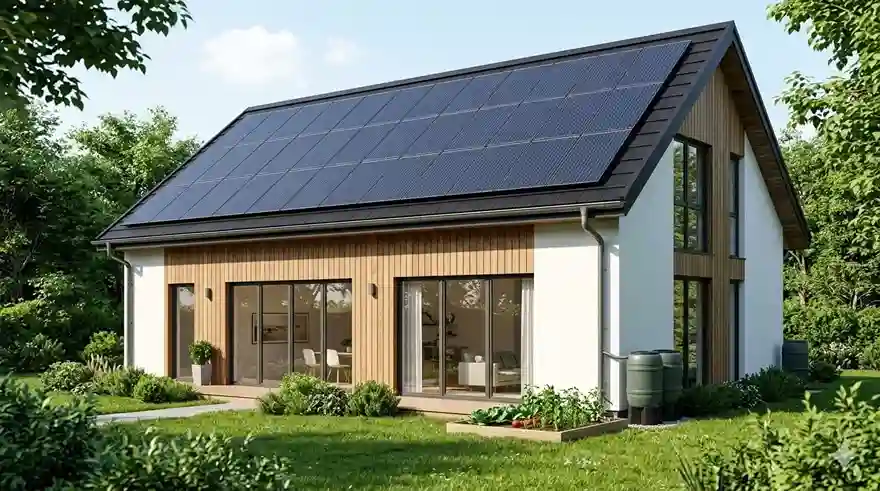
When considering how to build a sustainable home, the initial design phase is crucial. Sustainable home building focuses on “Passive House” principles, which utilize natural resources like sunlight and wind to regulate temperature.
- Orientation: Aligning your home to maximize solar gain in winter and shade in summer.
- Insulation: Using high-quality, non-toxic materials to keep heat in or out.
2. Choosing High-Quality Sustainable Home Products
The market for sustainable home products has exploded in 2026. From biodegradable flooring to smart water sensors, your choices inside the house are vital.
Check our guide on Eco-friendly floor cleaners to maintain your sustainable surfaces safely.
3. Comparison: Traditional vs. Sustainable Home Building
| Feature | Traditional Building | Sustainable Home Building |
|---|---|---|
| Energy Source | Fossil Fuel Grid | Solar/Renewable Energy |
| Water Usage | High / No Recovery | Low / Graywater Recycling |
| Materials | Synthetic/High Carbon | Natural/Recycled/Low Carbon |
| Long-term Cost | High Utility Bills | Significant Savings |
| Air Quality | Potential VOCs | High (Non-Toxic Materials) |
4. Practical Steps to Be More Sustainable at Home
If you aren’t building from scratch, you can still take steps to be more sustainable at home by retrofitting your current space.
Energy Management
The biggest impact comes from how you power your life.
- Install Smart Meters: Monitor your usage in real-time.
- Upgrade to LED: This remains the fastest way to save energy.
- Read about Energy Saving Light Bulbs.
Water Conservation
Water is a precious resource. Implementing a graywater system can reduce your usage by up to 40%.
- Discover How to Conserve Water at Home.
5. Zero-Waste Kitchen: A Core Pillar
You cannot truly understand how to build a sustainable home without addressing the kitchen. This is where most household waste is generated.
- Sustainable Kitchen Essentials: Switch to glass and silicone instead of plastic.
- Composting: Turn food scraps into garden gold.
- Our Ultimate Sustainable Kitchen Guide has all the details.
6. Advanced Sustainable Home Products for 2026
The “Smart Green Home” is the trend of the year. Integrating sustainable home products like AI-driven thermostats and portable solar chargers ensures you are ahead of the curve.
- See the 7 Best Eco-Friendly Gadgets.
7. The Importance of Non-Toxic Cleaning
A sustainable home must be a healthy home. Using sustainable home products extends to your cleaning routine. Synthetic chemicals in cleaners can harm indoor air quality.
8. Sustainable Fashion and Personal Care
Sustainability isn’t just about the walls; it’s about the lifestyle within them. Reducing your carbon footprint means choosing mindful wardrobe options and clean beauty routines.
- Read the Sustainable Fashion Revolution.
9. Sustainable Smart Landscaping
Building a sustainable home doesn’t stop at the walls. Your outdoor space plays a huge role in how to build a sustainable home efficiently.
- Xeriscaping: Choose native plants that require minimal water.
- Permeable Paving: Use materials that allow rainwater to soak into the ground rather than creating runoff.
- Internal Link: Combine this with our Water Conservation Guide for maximum impact.
10. Sustainable Home Products for Air Quality
The final step in how to make your home more sustainable is ensuring the air you breathe is clean. In 2026, smart air purifiers and natural ventilation systems are essential sustainable home products.
- Live Walls: Indoor plants act as natural air filters.
- Low-VOC Materials: Ensure that any furniture or paint you add is free from volatile organic compounds.
- Internal Link: Check our Ultimate Clean Beauty Guide for more tips on a non-toxic lifestyle.
Why 2026 is the Critical Year for Sustainable Home Building
As we move further into 2026, the urgency to transition toward eco-friendly living has reached a tipping point. Global environmental reports from institutions like the United Nations Environment Programme highlight that residential buildings are responsible for a significant portion of worldwide energy consumption. This makes learning how to build a sustainable home not just a personal choice, but a vital contribution to global climate action.
Rising energy costs and unpredictable weather patterns are forcing homeowners to rethink traditional construction methods. By integrating smart technology and renewable energy sources today, you are essentially ‘future-proofing’ your property against inflation and environmental degradation. The shift toward a greener lifestyle is no longer about temporary trends; it is about establishing a legacy of efficiency and respect for our natural resources that will last for decades to come.
Conclusion: Your Sustainable Journey Starts Now
Learning how to build a sustainable home is an ongoing process. Whether you are investing in sustainable home building or simply taking small steps to be more sustainable at home, every action counts. By choosing the right sustainable home products, you are contributing to a global shift toward a cleaner, better 2026.