
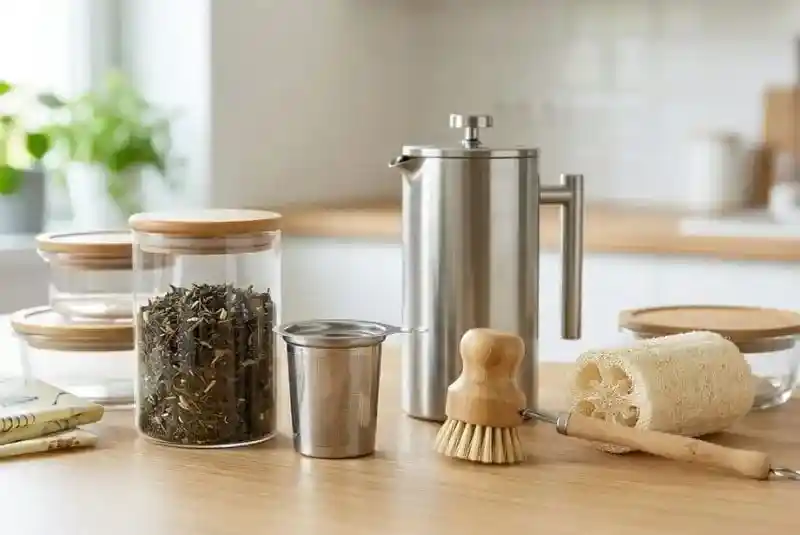
Introduction: Why Plastic-Free is the Future
In 2026, the transition to a plastic free zero waste lifestyle has moved beyond a trend; it is a global movement toward health and environmental restoration. Microplastics have been found everywhere, making the choice to eliminate plastic a vital step for your family’s safety. At Leaf Loop, we believe that small, intentional changes in your daily routine can create a massive positive impact.
1. The Hidden Plastic in Your Morning Tea
Most people don’t realize that standard tea bags often contain polypropylene to keep them sealed. In fact, Scientific studies show that humans consume thousands of Microplastics Annually and leaching from hot tea is a significant contributor to this. To maintain a plastic free zero waste lifestyle, you must look for plastic free tea bags made from abaca hemp or corn starch.
- Tip: Always check the label for “Plastic-Free Certified” or switch to loose-leaf tea for zero waste.
2. Non-Toxic Coffee Brewing
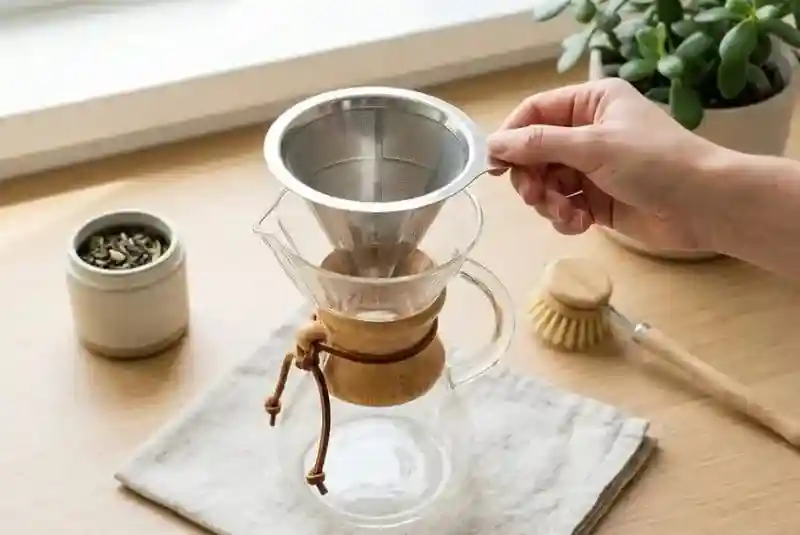
Coffee makers with plastic reservoirs can leach chemicals into your hot beverage. For a truly plastic free zero waste lifestyle, consider stainless steel or glass brewers.
- Stainless Steel French Press: Durable and 100% plastic-free.
- Glass Pour-over: Pure taste and easy to clean without toxins.
Comparison: Traditional vs. Plastic-Free Swaps
| Item | Traditional Option (Plastic) | Plastic-Free Swap (Zero Waste) |
|---|---|---|
| Tea Bags | Nylon or Polypropylene | Abaca or Loose Leaf |
| Coffee Maker | Plastic Drip Machine | Glass or Stainless Steel |
| Dish Sponge | Synthetic Foam | Natural Loofah / Wood Brush |
| Shipping | Bubble Wrap | Biodegradable Packaging Peanuts |
3. Biodegradable Household Tools in the Kitchen
The kitchen is often the biggest source of plastic waste. Swapping synthetic sponges for biodegradable household tools like bamboo dish brushes and natural loofahs ensures that your cleaning routine doesn’t leave a legacy in a landfill for 500 years.
4. The Truth About Packaging Materials
When ordering products or shipping gifts, pay attention to the filler. Standard Styrofoam is a disaster for the ocean. Instead, 2026 standards favor biodegradable packaging materials like starch-based peanuts that dissolve in water.
5. Rethinking Food Storage
Plastic containers are notorious for BPA leaching. A plastic free zero waste lifestyle encourages the use of:
- Glass Jars: Perfect for leftovers and pantry staples.
- Beeswax Wraps: A natural alternative to plastic cling film.
- Silicone Bags: Reusable and safe for high temperatures.
6. Bathroom Essentials: Beyond the Bottle
Did you know the average person uses 10-12 plastic bottles of shampoo a year? You can cut this down by:
- Using shampoo and conditioner bars.
- Switching to a bamboo toothbrush (one of the easiest biodegradable household tools to adopt).
- Choosing toothpaste tablets in glass jars.
Check out our previous guide on Sustainable Kitchen Pillars to complement your new plastic-free habits.
7. Laundry Without the Microplastics
Synthetic clothing releases microplastics into the water with every wash. While we can’t always change our clothes, we can change our detergent. Use plastic free laundry detergent in cardboard or glass packaging to keep your water supply clean.
8. Mindful Grocery Shopping
Adopting a plastic free zero waste lifestyle starts at the store.
- Always carry organic cotton mesh bags for produce.
- Buy in bulk to reduce the need for biodegradable packaging altogether.
9. Eco-Friendly Shipping and Mail
If you run a small business or ship items frequently, switch to biodegradable packaging. Using paper tape and compostable mailers shows your customers that you care about the planet’s future.
10. Community and Composting
The final step in a plastic free zero waste lifestyle is ensuring that your “biodegradable” items actually biodegrade. Set up a small home composting bin for your wooden brushes and natural sponges to close the loop.
Conclusion: One Step at a Time
Mastering a plastic free zero waste lifestyle in 2026 is about progress, not perfection. By choosing biodegradable household tools and avoiding hidden plastics in things like tea bags and coffee makers, you are protecting your health and the environment. Start with one swap today, and soon it will become second nature.