
Best Tips to Start Your Zero Waste Journey
Living a zero-waste lifestyle is often misunderstood as a quest for absolute perfection—a life where a year’s worth of trash fits into a tiny glass jar. However, at Leaf Loop, we define it differently. It is about making conscious, incremental choices to reduce our environmental footprint. If you feel overwhelmed by the plastic crisis, this guide is your strategic roadmap. Every small change creates a ripple effect, and to start your zero waste journey is the most powerful way to align your daily actions with your environmental values.
1. The Foundation: Conducting a “Trash Audit”
Before investing in Eco-Friendly gadgets, you must become a detective in your own home. A “Trash Audit” is the process of observing your waste patterns for 7 to 14 days. Simply look at what fills your bin. Is it food packaging? Single-use plastics? This data is your primary tool for a Green Transformation.
2. The 5 R’s Framework of Sustainability
To transition from a linear “take-make-waste” model to a circular economy, follow this Hierarchy:
- Refuse: Say no to plastic straws and junk mail.
- Reduce: Buy only high-quality items.
- Reuse: Swap disposables for permanents.
- Recycle: As a last resort for non-reusable items.
- Rot: Turn food scraps into soil.
Why Zero Waste Matters for Your Wallet and Health
Starting a zero-waste journey is not just an environmental decision; it is a financial and health-conscious strategy. When you start your zero waste journey, you naturally move away from expensive, pre-packaged convenience foods that are often high in preservatives. By buying in bulk, you are only paying for the product, not the marketing or the plastic container.
From a health perspective, reducing plastic use—especially in the kitchen—minimizes your exposure to harmful chemicals like BPA and phthalates that can leach into food from containers. This holistic approach ensures that your eco-friendly lifestyle supports your personal well-being as much as it supports the planet’s ecosystems.
3. Swapping the “Big Three” Essentials
Focus on the items that cause the most consistent daily pollution:
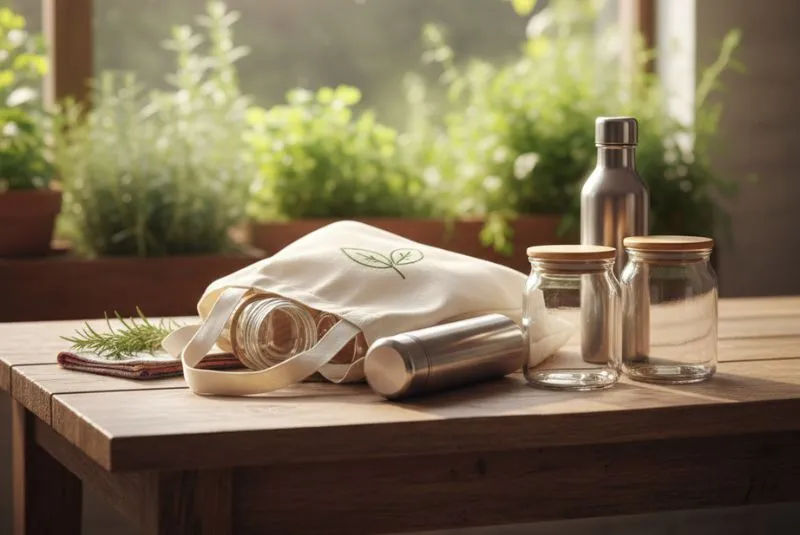
- From Plastic Bags to Reusable Totes: One bag can save thousands of plastic ones over its lifetime.
- From Disposable Bottles to Stainless Steel: A one-time investment for a lifetime of hydration.
- From Paper Cups to Travel Mugs: Avoid the hidden polyethylene lining in traditional cups.
4. The Digital Zero Waste: Reducing Your Data Footprint (New Section)
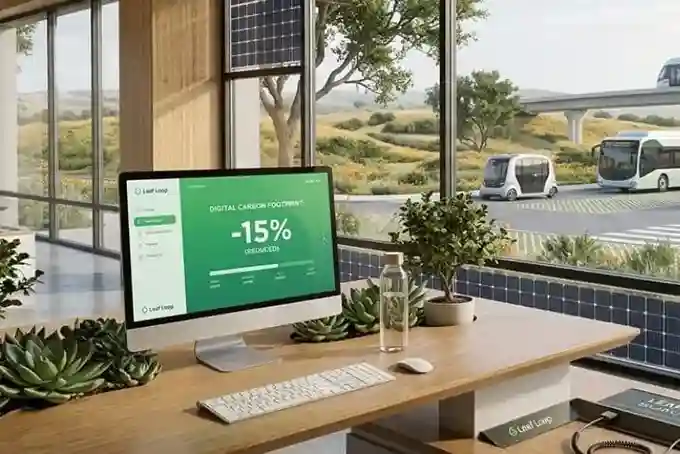
Many beginners forget that waste isn’t just physical. Your digital life consumes energy. Adopting smart energy solutions in your home office—like unsubscribing from junk emails and using eco-friendly search engines—reduces the demand on massive, carbon-heavy data centers. This is a vital, modern step to start your zero waste journey in the 21st century.
5. Bulk Shopping: The Silent Waste Killer
Packaging is the “silent killer” in our waste bins. Shifting your shopping habits can eliminate up to 40% of your household trash. Bring your own glass jars, learn the “Tare Weight,” and support local refill stations.
6. Sustainable Personal Care in the Bathroom
The bathroom is a major source of hidden microplastics. Switching to sustainable personal care—like shampoo bars and bamboo toothbrushes—ensures that your hygiene routine doesn’t harm aquatic ecosystems.
7. Zero Waste Kitchen: Beyond Composting (New Section)
Your kitchen is the heart of your home’s waste production. Beyond the bin, consider how you store food. Replacing plastic cling wrap with beeswax wraps or silicone lids can save hundreds of meters of plastic waste per year. Also, organizing your fridge to prevent food spoilage is a form of energy saving—it takes energy to produce, transport, and store that food; don’t let it go to waste!
8. Closing the Loop: Composting at Any Scale
Organic waste in landfills produces methane. Whether you use a Bokashi Bin in an apartment or a backyard pile, composting ensures your scraps become “Black Gold” for your plants.
9. Ethical Fashion: The “Wear Your Waste” Movement (New Section)
The textile industry is one of the world’s biggest polluters. To truly start your zero waste journey, we must rethink our closets. Practice “slow fashion” by repairing clothes, buying second-hand, or choosing brands that use recycled ocean plastics. Your wardrobe should be as sustainable as your kitchen.
10. Community Impact: The Leaf Loop Ripple Effect
Zero waste is not a solo mission. By sharing your journey, you influence local businesses to change their packaging policies. Your consumer power is the ultimate tool for global change.
Conclusion: Progress Over Perfection
Your Zero Waste Journey is a marathon, not a sprint. The goal isn’t to be perfect; the goal is to be “less wasteful” today than you were yesterday. By implementing these steps, you are joining a global movement toward a cleaner, healthier world.
Ready to upgrade your gear? Check out our curated Shop Guides for the most durable and tested eco-friendly products to support your new lifestyle.