
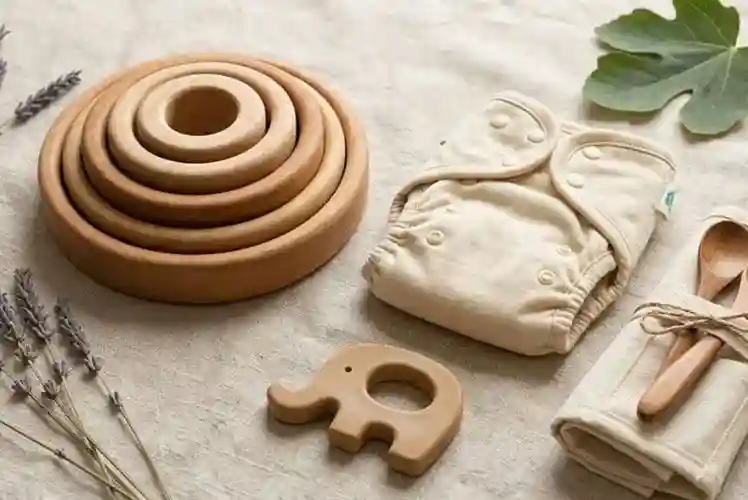
Choosing the right products for your newborn is no longer just about comfort and price; in 2026, it is about health and environmental legacy. As parents become more aware of the long-term impact of microplastics and synthetic chemicals, the demand for Sustainable Baby Products 2026 has reached an all-time high. This guide is designed to navigate the complex world of eco-conscious parenting, ensuring that every choice you make—from the crib to the diaper, supports a non-toxic and thriving future for your child.
Why the Shift to Sustainable Baby Products in 2026?
The modern nursery has historically been a hidden source of VOCs (Volatile Organic Compounds) and non-recyclable waste. Traditional plastic toys can contain endocrine disruptors, while conventional diapers take over 500 years to decompose. Transitioning to an eco-conscious nursery isn’t just a trend; it’s a necessary step in reducing your family’s carbon footprint. By integrating How to Build a Sustainable Home: 10 Best Eco-Friendly Tips 2026, you can ensure that the air your baby breathes is as pure as the products they touch.
1. Non-Toxic Toys: Beyond BPA-Free
In 2026, the gold standard for toys is BPA-free wooden toys and items made from natural rubber or organic food-grade silicone.
- Materials to Look For: FSC-certified wood, water-based dyes, and organic cotton.
- Benefits: Durability, sensory development, and zero chemical off-gassing.
- The Safety Check: Always look for the “CE” and “ASTM” certifications alongside eco-labels.
The Economic Value of Investing in Sustainable Baby Products 2026
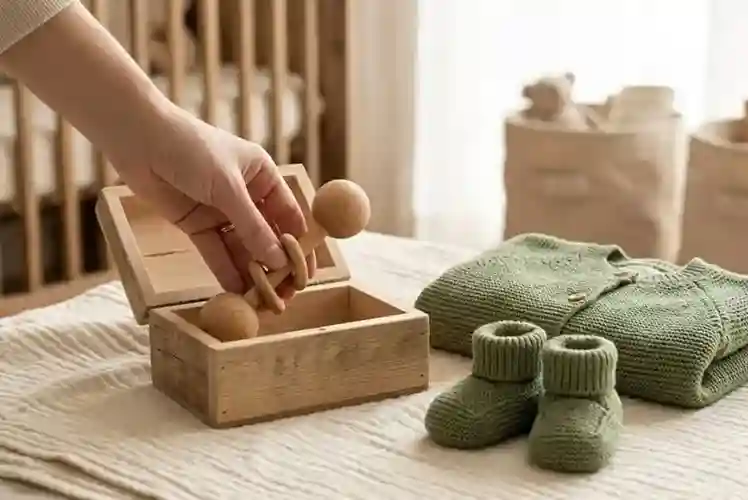
While the initial cost might seem higher, the longevity of Sustainable Baby Products 2026 offers significant long-term savings. High-quality eco-friendly gear is designed to be “heirloom quality,” meaning it can be passed down to younger siblings or resold in the thriving second-hand market. By choosing Sustainable Baby Products 2026, parents avoid the “buy-and-toss” cycle of cheap plastic alternatives, ultimately reducing household expenses while protecting the planet.
2. The Diaper Revolution: Biodegradable vs. Cloth
Diapering is often the largest source of waste for new parents. However, biodegradable diapers have evolved to offer high performance without the environmental guilt.
Comparison Table: Diapering Solutions 2026
| Feature | Conventional Diaper | Biodegradable Diaper | Cloth Diapering |
|---|---|---|---|
| Material | Plastics & SAP | Bamboo/Plant-based | Organic Cotton/Hemp |
| Decomposition | 500+ Years | 90 – 180 Days | Reusable (Years) |
| Chemicals | Chlorine/Fragrance | None | None |
| Cost (Long-term) | High | Moderate | Lowest |
3. Organic Cotton Babywear: Protecting Sensitive Skin
A baby’s skin is 30% thinner than an adult’s, making it highly absorbent. Organic cotton babywear ensures that no pesticides or harsh bleaches come into contact with your child. This aligns perfectly with the principles found in The Sustainable Fashion Revolution: Your Ultimate Guide to a Mindful Wardrobe, emphasizing quality over quantity.
Safety Standards and Certifications for Sustainable Baby Products 2026
In the year 2026, transparency is the new currency for parents. When scouting for Sustainable Baby Products 2026, it is crucial to look beyond the “green” labels. Look for third-party certifications such as GREENGUARD Gold for furniture and OEKO-TEX for fabrics. These certifications verify that your Sustainable Baby Products 2026 have been tested for over 10,000 chemicals and VOCs, ensuring that your nursery remains a sanctuary for health and growth.
🏆 Featured Review: The “Eco-Nest” 2026 Starter Kit
Description: A curated bundle of essential sustainable baby products 2026, featuring organic swaddles, bamboo diapers, and handcrafted wooden teethers.
Pros:
- 100% GOTS certified organic materials.
- Zero-waste packaging (plastic-free).
- Hypoallergenic and dermatologist-tested.
Cons:
- Higher initial investment compared to mass-market brands.
- Limited color palettes (natural dyes only).
Target Audience: Modern parents looking for a one-stop, non-toxic solution for their newborn’s essentials.
User Quote: “I finally feel at peace knowing my baby isn’t chewing on plastic. The quality of the bamboo fibers is surprisingly softer than any premium brand I’ve tried before.” – Sarah J., Eco-Parent Blogger.
7 Best Tips for a Sustainable Nursery
To maximize your impact, consider these steps:
- Choose Multi-functional Furniture: Cribs that convert into toddler beds reduce waste.
- Avoid Synthetic Fragrances: Use natural ventilation or HEPA filters.
- Prioritize Second-hand Gear: For items like strollers, buying used is the ultimate zero-waste move.
- Use Eco-friendly Cleaners: Protect the nursery surface with Eco-friendly floor cleaners: Your Ultimate Guide.
- Opt for Low-VOC Paints: Ensure the nursery walls aren’t emitting toxic fumes.
- Minimalist Wardrobe: Buy fewer, higher-quality organic pieces.
- Support Ethical Brands: Look for Fair Trade certifications.
Sustainable Self-Care for Parents
Don’t forget that your habits influence your baby. Incorporating 7 Best Sustainable Personal Care Tips into your routine ensures that the environment you cultivate is holistic.
Digital Tools to Track Your Sustainable Baby Products 2026
Modern parenting in 2026 is data-driven. Several new mobile apps now allow you to scan barcodes to check the toxicity levels and carbon footprint of your Sustainable Baby Products 2026 in real-time. Integrating these digital tools with your physical gear ensures that you stay consistent in your eco-friendly journey. This technological approach to Sustainable Baby Products 2026 makes it easier than ever to maintain a zero-waste lifestyle from day one.
Conclusion: A Greener Future Starts Small
Investing in Sustainable Baby Products 2026 is more than a purchase, it is an investment in the planet your child will inherit. By choosing non-toxic toys, biodegradable diapers, and organic clothing, you are setting a standard for a healthy, mindful life. At LeafLoop.io, we are committed to helping you navigate this journey with ease.
Why not take the next step and explore how to transition your entire home with our Zero-Waste Journey: 5 Simple Steps to Start Today?