
In an era where sustainability is no longer a choice but a necessity, the humble compost bin has undergone a high-tech makeover. For city dwellers living in compact apartments, the dream of turning food scraps into nutrient-rich soil used to be hindered by space constraints and odor concerns. However, in 2026, innovative composting bin designs have made it possible to manage waste effectively right from your kitchen counter. This guide provides an academic yet accessible deep-dive into the environmental benefits of composting, helping you decide is it worth having a compost bin for your specific lifestyle.
1. Understanding the Urban Composting Revolution
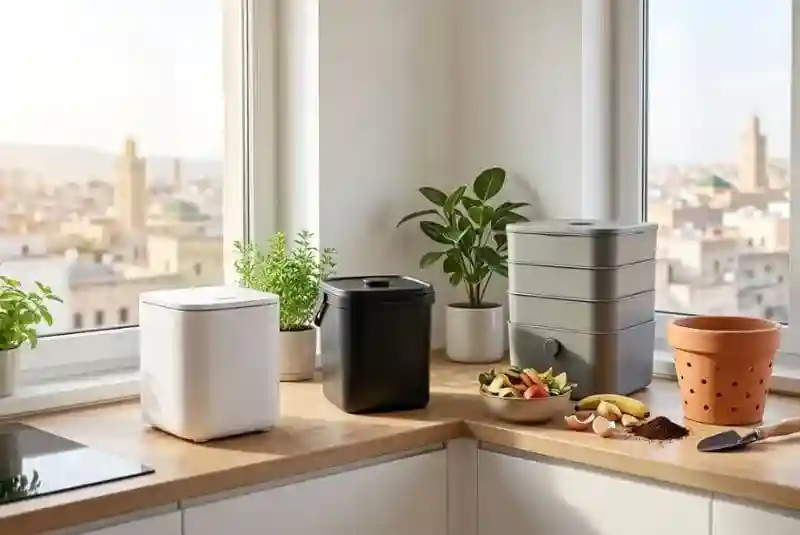
The shift towards urban sustainability has spiked the demand for a specialized compost bin kitchen setup. Unlike the traditional outdoor compost bin used in rural settings, urban systems must prioritize odor control, speed, and compact design. Whether you are interested in a composting bin starter kit or a complex vermicomposting tower, understanding the biological process is key to success.
The Science of Indoor Decomposition
Indoor composting typically relies on three methods: aerobic decomposition (with air), anaerobic fermentation (like Bokashi), or heat-accelerated dehydration (electric). Each system has its own composting bin requirements to ensure that the process remains hygienic and efficient within a living space.
2. Comparing the Best Compost Bin Systems of 2026
To help you choose the right system, we have compared the top four categories currently dominating the market.
Table 1: 2026 Composting System Comparison
| System Type | Best For | Process Time | Odor Level | Space Required |
|---|---|---|---|---|
| Electric Composter | Busy Professionals | 4–8 Hours | Zero | Minimal (Countertop) |
| Bokashi Bin | Small Apartments | 2 Weeks | Low (Fermented) | Small (Under Sink) |
| Worm Bin | Naturalists | 2–4 Months | Earthy | Medium (Balcony/Corner) |
| DIY Plastic Bin | Budget Conscious | 3–6 Months | Moderate | Variable |
3. How to Start a Compost Bin for Beginners
Starting your journey doesn’t require a degree in biology, but it does require a bit of preparation. If you’re wondering how to start a compost bin today, follow this Composting 101 guide for foundational steps:
- Select Your Location: For apartments, a compost bin kitchen location is best for accessibility.
- Balance Your Ratios: Every healthy composting bin needs a mix of “Greens” (nitrogen-rich food scraps) and “Browns” (carbon-rich paper or cardboard).
- Aeration: Oxygen is vital. Even a compost bin diy needs small air holes or regular turning to stay fresh.
- Monitoring: Use a simple thermometer to track the decomposition heat.
4. Professional Review: The LeafLoop Top Pick 2026
Product: The EcoPulse Smart Electric Composter
- Description: A sleek, AI-integrated electric composting bin that fits seamlessly into modern kitchens.
- Features:
- HEPA & Charcoal dual-filter system for zero odor.
- One-touch processing that grinds and dehydrates waste.
- Silent mode (under 30dB).
- Pros: Extremely fast; handles “difficult” waste like chicken bones (relevant for those searching for a compost bin for chicken manure alternatives).
- Cons: Higher initial investment; requires filter replacements every 6 months.
- Target Audience: Urban families and apartment dwellers with zero outdoor space.
- User Quote: “I never thought I could compost in a 15th-floor studio, but the EcoPulse changed everything. It’s as quiet as my fridge!” — Sarah K., Eco-Blogger.
5. How to Build a Compost Bin: The DIY Approach
For the hands-on environmentalist, knowing how to make a compost bin or how to build a compost and bin can save money and repurpose old materials.
Step-by-Step DIY Apartment Bin:
- Container Selection: Repurpose a plastic storage bin (50 volume liters is ideal).
- Drilling: Create a grid of 1/4-inch holes for ventilation.
- Bedding: Add a 2-inch layer of shredded damp newspaper.
- Integration: Start adding scraps slowly. This is a great way to learn how can i make a composting bin sustainable on a budget.
6. Addressing Common Concerns (FAQs)
In this section, we address the most common queries regarding urban and home composting systems to help you navigate your journey with a compost and bin.
Is it worth having a compost bin?
Yes, it is highly worth it. Beyond the significant reduction in household landfill waste (up to 30%), a compost bin provides a free, nutrient-rich soil amendment for your indoor plants or balcony garden. For those committed to a Sustainable Baby Products 2026 lifestyle, composting is the ultimate way to ensure your home environment remains circular and chemical-free.
How to start a compost bin for beginners?
How to start a compost bin begins with selecting the right location and vessel. For beginners, we recommend a compost bin kitchen model with a charcoal filter. Start by lining the bottom with “browns” (shredded paper), then add your “greens” (vegetable scraps). The key is maintaining a 3:1 ratio of browns to greens to prevent odors and ensure fast decomposition.
What are 5 disadvantages of composting?
While the benefits are immense, beginners should be aware of these 5 potential challenges:
- Initial Investment: High-quality composting bin systems, especially electric ones, can be expensive.
- Pest Attraction: If not managed correctly, a compost bin kitchen can attract fruit flies or gnats.
- Odor Issues: An unbalanced carbon-to-nitrogen ratio can lead to unpleasant smells.
- Space Constraints: Finding a dedicated spot for a 50 volume bin in a studio apartment requires planning.
- Maintenance Time: Even the best compost bin requires regular turning and moisture monitoring to stay healthy.
How to start a compost pile in a bin?
To learn how to start a compost pile in a bin, you must focus on aeration. Unlike an open pile, a bin restricts airflow. You must drill ventilation holes (especially in a compost bin diy) and use a compost turner or a simple stick to fluff the materials weekly, ensuring oxygen reaches the microbes.
How can I make a compost bin?
If you are wondering how can i make a compost bin on a budget, the “Two-Bucket Method” is ideal. By nesting one bucket inside another and drilling drainage holes in the top one, you create a perfect compost bin diy system that manages leachate (liquid waste) efficiently for apartment balconies.
7. Advanced Tips: Composting for Specific Needs
If you have a small backyard flock, you might specifically search for a compost bin for chicken manure. This requires a higher “brown” content (like straw) to balance the high nitrogen levels in the manure. Ensure your compost bins are sturdy enough to withstand the heat generated during this high-intensity decomposition
Conclusion: Integrating Sustainability into 2026 Living
Whether you opt for a high-tech electric unit or a compost bin diy project, the act of composting is a powerful statement against waste. Just as we discussed in our guide on Sustainable Baby Products 2026: 10 Best Non-Toxic Choices, choosing the right tools for a conscious home is the first step toward a greener future. By selecting the best compost bin for your apartment, you are closing the loop on food waste and nourishing the planet.